
Robinhood has spent more than a decade rethinking how financial services should work for customers. Now, it is bringing that same focus on speed, simplicity, and scale inside the company.
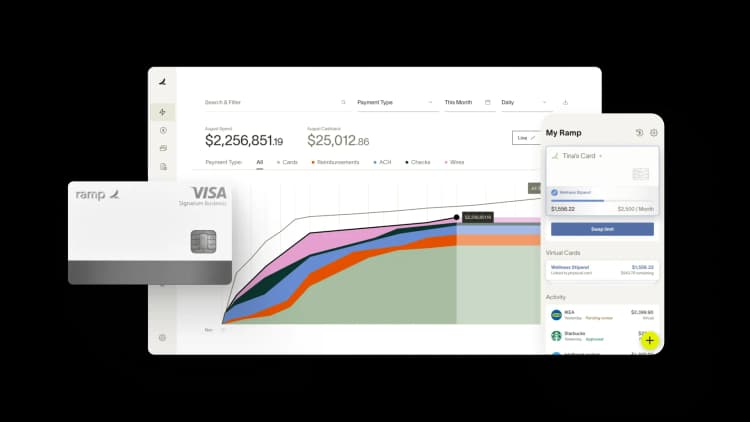
With Ramp, Robinhood is building more automated global finance operations. The goal is to apply spend controls in real time, issue corporate cards across markets, streamline multi-entity workflows, and reconcile transactions with less manual review.
Why Ramp, and why now?
Robinhood has always built its finance operations for speed and control. As the business grows globally — more markets, more entities, more complexity — Ramp gives that foundation more horsepower. Traditional workflows often rely on teams identifying issues after the fact, then resolving them through manual reviews, follow-up, and reconciliation.
Ramp shifts more of that work upstream. That means operating with:
- Real-time controls instead of after-the-fact review
- Automated reconciliation instead of manual data matching
- Global infrastructure instead of fragmented regional processes
- Intelligent exception handling instead of reviewing every transaction
- Finance data that supports business decisions, not just reporting
The result is even greater control, better visibility, and more time for strategic work. Finance is a driver of speed, control, and scalable growth.
Bringing Robinhood's operating philosophy inside
Robinhood is applying the same mindset internally that it brings to its customers: building systems and solutions that are faster, more intelligent, and designed to remove friction.
About Robinhood, Markets Inc.
Robinhood Markets, Inc. (NASDAQ: HOOD) is a global leader in financial services offering retail brokerage, crypto, advisory, digital banking services, and private markets access to a new generation of investors. Robinhood Markets, Inc. and/or its affiliates may hold direct or indirect interests in Ramp.
Additional information about Robinhood can be found at www.robinhood.com.


“I assumed I would have to choose between speed and control. What I found is that you can have both. A well-designed system takes friction out, for the finance function and for everyone else.”
Justin Webster
CFO, Denver Broncos

“A well-run district should not have to choose between getting work done at the school site and keeping control of the dollars behind it. We're not hiring more people to do more jobs, so we have to be smarter about the process. With Ramp, the purchase, the receipt, and the record stay together from the start. ”
Nick Brizeno
Director of Purchasing, San Marcos Unified School District

“In senior living, scale only works if the communities still feel personal. We needed the back office to carry more of the complexity, not the people serving residents. Ramp helped us build that infrastructure, so the experience in the community could stay human.”
Ryan Cole
CFO, Agemark Senior Living

“AI is moving faster than the finance context around it. Prices change, models change, and the value is not always obvious from an invoice. We needed enough detail to know which bets deserved more investment — and which ones did not.”
Greg Cooley
Controller, AngelList

“Invoices, cards, tokens. The categories change but the principle doesn't: know where the money is going, remove the work around it, and make sure the spend is worth it.”
Maciej Mylik. Finance
ElevenLabs

“We weren’t trying to retrofit an old finance system. We had a blank canvas, and Ramp gave us the foundation to build a global finance function of the future.”
Justin Dourado
Director of Finance, Othership

“There's just no surprises anymore. No more waiting two months to find out how a job did. We know how it's doing as it's happening.”
Erich Kuss
Financial Systems Manager, Infinity Home Services

“More token spend isn’t proof that AI is working. Less isn’t proof that it isn’t. What matters is whether we’re buying the right level of intelligence for the work. Ramp lets us make that judgment in the same place we manage every other type of spend.”
Cody Nutt
Senior Director of Business Systems, Daxko
